
 By Camille
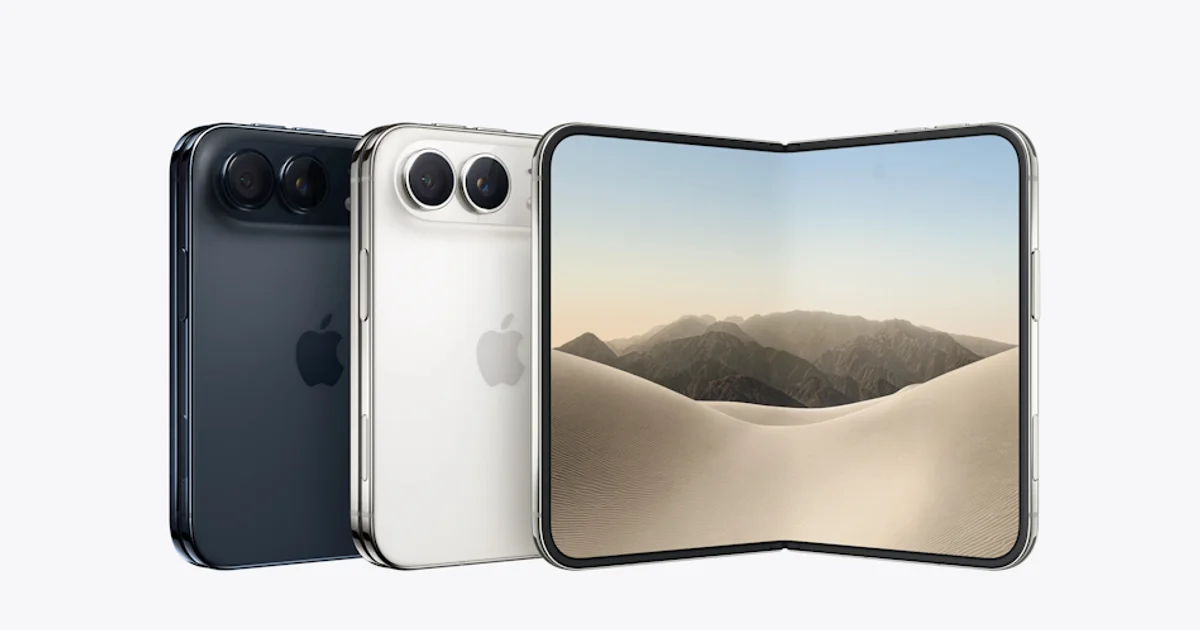
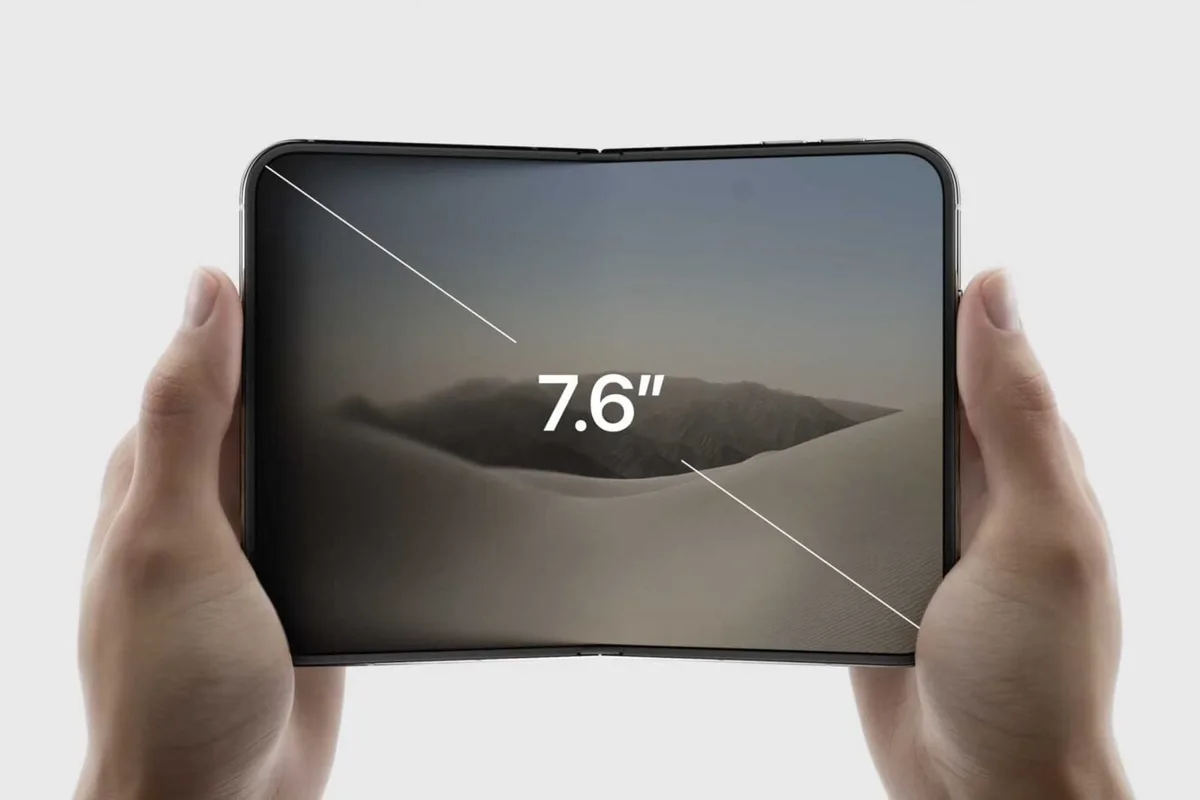
The iPhone Duo is Apple's first foldable smartphone. Since its September 9 unveiling, the company has emphasized the 7.6-inch inner screen, titanium hinge and new possibilities introduced by iOS 27. Battery life was also part of the presentation. However, Apple focused primarily on a dual-cell design and all-day endurance. The exact capacity was not a central marketing specification. European regulation has now filled in that detail. The official product information for model A3720, published in the EU's EPREL database, lists a rated capacity of 4,883mAh. It also reports standardized battery endurance of 51 hours and 30 minutes per charging cycle. These figures do not come from an anonymous leak. They appear in regulatory information associated with the commercial device. With availability scheduled for October 23, the documents make it possible to evaluate the Duo from a less glamorous perspective: the engineering compromises involved in fitting two screens, a hinge and a substantial battery into a pocketable product.
Two batteries with a combined capacity of 4,883mAh
A book-style foldable smartphone cannot arrange its internal components exactly like a conventional handset. Its chassis is divided into two sections joined by a hinge. Each half must accommodate part of the electronics and mechanical structure. Apple has chosen to use two integrated lithium-ion battery cells. The European documentation confirms a combined rated capacity of 4,883mAh. Earlier technical information, subsequently reported by MacRumors and other publications, identified one cell with a 2,962mAh capacity. The second was reported at 1,921mAh. Together, they add up to the official total. This arrangement distributes energy storage across the two sides of the phone. It also introduces particular constraints involving battery shape, connections and thermal management. The manufacturer must work around the hinge and maintain the desired chassis thickness. A foldable phone cannot simply use a conventional iPhone battery without adapting the rest of the internal design. That helps explain why the total capacity needs to be assessed in the context of the whole device.
More battery than the iPhone 18 Pro, but similar endurance
At first glance, 4,883mAh is a substantial amount of battery capacity. The iPhone Duo has more capacity than the European iPhone 18 Pro, which iGeneration reports at 4,056mAh. However, the advantage does not translate directly into longer standardized endurance. According to the European figures, the iPhone Duo reaches 51 hours and 30 minutes per cycle. The iPhone 18 Pro receives a rating of 52 hours under the same type of testing. The foldable therefore falls slightly behind the conventional model despite carrying a larger battery. This does not mean every user will experience exactly a thirty-minute difference. Instead, it illustrates that stored energy alone does not determine runtime. The Duo must power a 5.4-inch outer display and a much larger 7.6-inch inner panel. Its distinctive hardware architecture also affects power requirements. The active screen, software and usage patterns all influence consumption. The European comparison reveals a straightforward trade-off: a bigger battery can compensate for a more demanding device without necessarily delivering longer endurance than a traditional phone.
The inner screen makes a substantial difference
Apple provides two different video playback figures. Using the outer display, the Duo is rated for up to 44 hours. Using the larger inner screen, that figure falls to 31 hours. The difference is thirteen hours under Apple's stated test conditions. For streamed video, the company reports up to 37 hours on the outer display and 26 hours on the inner one. These numbers show how strongly screen choice can influence energy consumption. A foldable device has several distinct modes of use. When closed, the Duo behaves more like a compact smartphone. When opened, it provides a much larger area for video, documents and multitasking. But the additional display surface requires energy. Results also depend on brightness, refresh rate and the content being shown. It would therefore be misleading to promote one battery-life figure without describing the scenario. Someone primarily using the outer screen may have a different experience from a person who keeps the Duo open for extended periods of work.
The EU's 51-hour rating does not guarantee two full days of use
The number printed on the energy label needs context. European rules require smartphone manufacturers to provide standardized information intended to make products easier to compare. Battery endurance per cycle is measured using a defined testing procedure. It is not a personalized prediction of how long a device will remain powered under every real-world condition. A day spent gaming, navigating or streaming will produce different power consumption from a day involving mostly messages and occasional browsing. Cellular reception can also change power demands. Temperature and screen brightness matter as well. Apple separately advertises up to 24 hours of typical usage for the iPhone Duo. That figure belongs to a different testing approach. It should not be compared directly with the EU's 51-hour-and-30-minute result. The value of standardized European testing lies in comparing devices evaluated under the same protocol. Determining how long the Duo actually lasts in ordinary life will require reproducible testing across varied activities.
An A energy rating does not tell the whole story
The iPhone Duo receives an A energy efficiency grade in the EPREL database. That is the highest category on the European scale used for this product family. However, the result does not mean the device necessarily has the longest battery life on the market. Energy efficiency is assessed according to regulatory criteria. Runtime in hours is a separate piece of information. A phone can achieve strong energy efficiency while offering less endurance than another product with a larger battery. Conversely, a long-lasting phone may consume more energy relative to its capacity. These indicators answer different questions. Someone searching primarily for maximum time between charges should examine endurance. Someone interested in how efficiently a device uses energy can also consider its efficiency grade. The Duo has a favorable result on that measure. It does not eliminate the additional consumption associated with the larger inner display.
What do 1,000 charge cycles mean for battery longevity?
The European product sheet provides another important specification: at least 1,000 charging cycles. That should not be interpreted as an expiration date. A cycle represents cumulative use equivalent to a full battery capacity. It does not necessarily mean one individual charging session. Several partial charges can collectively contribute to one complete cycle. The European regulatory framework ties cycle endurance to a defined remaining-capacity criterion. The published figure therefore describes expected performance under standardized conditions. It does not guarantee identical aging for every battery. Temperature, charging behavior and usage intensity also affect degradation. For an unusually expensive smartphone, this information matters. The Duo is not meant to remain useful for only a few months. Buyers may reasonably expect to keep it for several years. Strong cycle endurance can help preserve the experience. However, it does not predict the exact aging pattern of any individual device.
A C repairability grade reflects a complicated design
One of the less flattering regulatory results concerns repairability. The iPhone Duo receives a C grade. Its detailed score is 2.65 out of 5. The documentation also says the battery is not user-replaceable. These results need to be considered in the context of foldable smartphone design. The inner display must bend. The hinge must support repeated opening and closing. Components must remain protected inside a relatively thin chassis. Repairs may therefore require specialized equipment and procedures. That does not mean the iPhone Duo cannot be repaired. However, a repair performed by a trained technician is not equivalent to a straightforward replacement by an ordinary owner. Apple offers service and repair options that vary by market. The exact cost of replacing the battery or display should be checked against the applicable service terms. The European rating provides useful balance to the emphasis on the phone's thinness and sophisticated engineering.
Drop resistance receives a B grade
The European documentation is not limited to battery specifications. It also evaluates reliability in repeated drop testing. The iPhone Duo receives a B grade. The product information lists at least 140 drops without defects under the relevant standardized conditions. It also reports 35 drops when the device is tested fully extended. These values are particularly interesting for a foldable phone. Its physical behavior may differ depending on whether it is open or closed. The hinge, screens and contact surfaces are exposed differently in each configuration. However, regulatory drop-test figures must not be treated as promises covering daily accidents. A fall onto tile, an impact on a sharp edge or contact with a hard object may create conditions different from those in a laboratory. The test count is not a personal allowance of risk-free drops. It is one comparative indicator among several. An expensive smartphone with multiple display surfaces still deserves careful handling.
IP68 provides protection against water and dust
Apple advertises IP68 protection for its first foldable iPhone. The official specifications describe resistance to immersion at depths of up to six meters for thirty minutes under defined test conditions. That is a notable characteristic for this type of product. Foldable smartphones contain moving parts and hinges. Protecting the internal components is more complicated than designing a conventional sealed handset. The IP68 designation describes standardized testing conditions. It does not guarantee permanent water resistance. Wear, impacts and certain repairs can affect protective seals. Certification also does not mean that the phone can be used without caution in every aquatic environment. Salt water, chemicals and high-pressure jets introduce different risks. The Duo offers a strong advertised protection rating. Its price and complex design nevertheless make unnecessary exposure worth avoiding.
At 254 grams and 11.3mm closed, compactness has limits
The iPhone Duo may be exceptionally thin when unfolded, but it remains a substantial device when closed. Apple lists a thickness of 5.2mm in its open configuration. That increases to 11.3mm when folded. The phone weighs 254 grams. Those figures reflect its unusual design. It must accommodate two halves, a hinge, cameras, two displays and a substantial battery. The objective is not exactly the same as creating an ultrathin conventional smartphone. Instead, the Duo offers a large screen in a device that still fits into a pocket. That introduces compromises. Someone accustomed to a light phone may notice the additional weight. The thicker folded format may also affect one-handed handling. In exchange, users gain access to a 7.6-inch display without carrying a separate tablet. Whether that trade-off makes sense will depend heavily on how often the larger screen is actually used.
French pricing starts above €2,300
Preorders for the iPhone Duo opened on October 16. Apple has scheduled general availability for October 23. In France, iGeneration reports a starting price of €2,339. That places the device in an exceptionally premium category. At this level, battery capacity alone cannot justify a purchase. The appeal primarily comes from the foldable format, software experience and ability to move between a compact outer screen and a larger inner display. Apple emphasizes multitasking and the use of multiple apps. The phone also includes the A20 Pro chip and a camera system adapted to its design. However, buyers should consider the limitations of foldable hardware. Accessories, protection and possible repairs may create additional expenses. The lack of user battery replacement also matters. For such an expensive smartphone, ownership costs over several years deserve as much attention as the original purchase price.
The iPhone Duo uses eSIM exclusively
Apple has removed the physical SIM tray from the iPhone Duo. The device relies entirely on eSIM, including in Europe. That decision frees internal space otherwise needed for a physical card mechanism. In such a tightly packaged product, every millimeter matters. Removing the tray can help accommodate the internal components. It also explains why specialist publications expect the 4,883mAh battery specification to remain consistent across markets. There is no announced physical-SIM variant requiring a different internal arrangement. However, eSIM use is not equally convenient for every customer. Compatibility and transfer procedures depend on mobile operators. Frequent travelers should also check the services available in the countries they visit. For many users, the change will have little practical effect. For others, the absence of a physical card slot introduces another limitation.
European labeling exposes compromises marketing rarely emphasizes
The significance of the EU energy label extends beyond revealing battery capacity. It requires a broader presentation of factors affecting a device's useful life. Rated capacity is disclosed. Endurance is measured through a common procedure. Drop resistance and repairability are also included. These details make some comparisons easier. They do not replace independent testing, but they reduce reliance on marketing claims alone. That is particularly valuable for the iPhone Duo. When Apple introduces its first foldable, it naturally focuses on what the format makes possible. The large inner display, precision hinge and new software features create excitement. The European documents redirect attention toward less glamorous questions. How long does the device last between charges? How well is the battery expected to age? What happens when a repair becomes necessary? A premium smartphone should be judged on both dimensions: the features that attract buyers initially and the limitations that may matter over several years.
Real-world testing begins with the first deliveries
The regulatory information now provides a useful initial technical picture. Total battery capacity is 4,883mAh. Standardized endurance is 51 hours and 30 minutes. The phone receives an A energy efficiency grade and a C repairability grade. Its battery is rated for at least 1,000 cycles under the relevant protocol. Those specifications are official. However, they do not establish how the phone will behave after weeks of ordinary use. Testing will need to measure the differences between the two screens. Multitasking endurance may vary according to the number of active applications and their demands. Gaming, photography and navigation also deserve examination. Temperature management during intensive use and charging will matter. Hinge wear and long-term inner display durability will require considerably more time to assess. Early reviews can establish immediate performance. They cannot demonstrate reliability across several years.
Apple's first foldable prioritizes a new experience over record endurance
The European label does not reveal a fatal flaw in the iPhone Duo. Instead, it clarifies the compromises Apple has chosen. The company has installed a substantial battery in a phone containing two displays and a hinge. The energy reserve is large. Yet standardized endurance remains close to that of a conventional iPhone. Repairability is middling, with a C grade. The format also brings more weight and thickness than many ordinary smartphones. In return, users receive a 7.6-inch inner screen and the features enabled by that form factor. The question is therefore not simply whether the Duo has a large battery. It is whether the foldable experience justifies the limitations. For someone prioritizing maximum endurance, the European comparisons suggest examining other models. For someone who wants to work and watch content on a larger screen while carrying a pocketable device, the Duo offers something different. Apple's launch focused on what the new design makes possible. European regulation now reveals the price paid in battery endurance, repairability and physical design. That may be the most useful information to consider before spending more than €2,300 on Apple's first foldable iPhone.