 By Kilam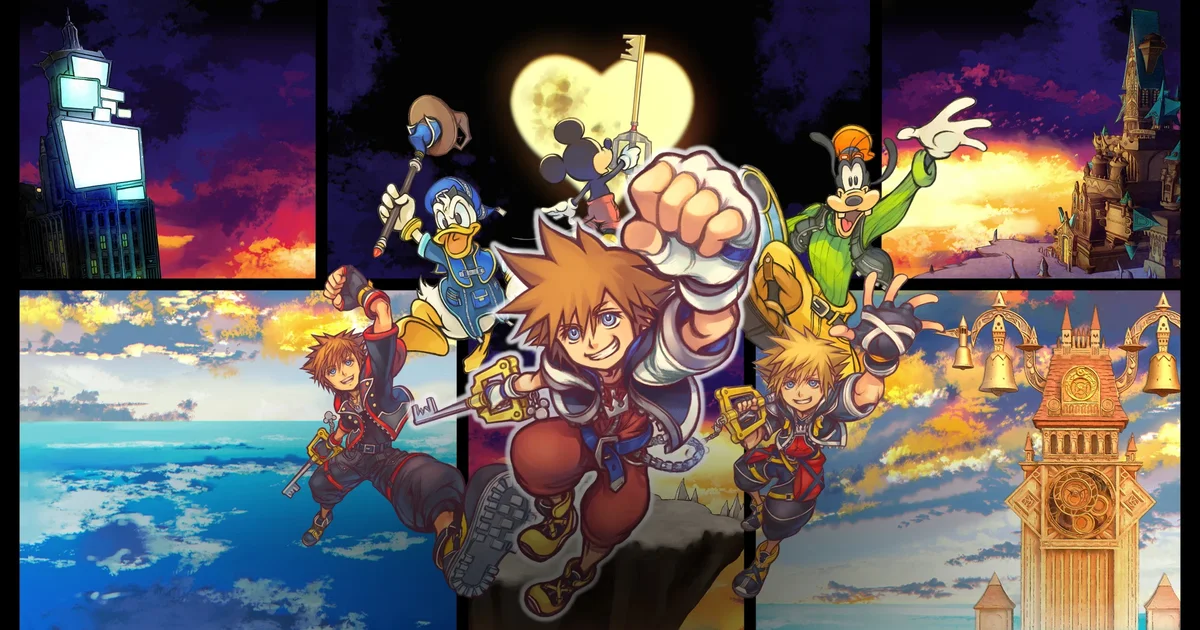
The same franchise can deliver very different experiences depending on how its games are executed.
On the original Nintendo Switch, much of Kingdom Hearts was offered through cloud editions. The console effectively acted as a terminal, transmitting controller inputs to remote hardware and receiving a video stream.
With the new Switch 2 editions launched on October 8, Nintendo and Square Enix confirm native versions. Game execution takes place on the console instead of a remote cloud gaming service.
That is a fundamental architectural difference, not simply a new download interface.
The Difference Between Cloud and Native Execution
Cloud gaming adds several stages between controller input and the resulting image.
When a player presses a button, the device sends that input over a network. A remote server calculates the game's response, encodes the resulting video and transmits it back. The local device must then receive and decode the stream.
This process depends on network quality, transmission conditions, server availability and the distance between the player and the execution environment.
Native execution removes the need to send each gameplay input to a remote machine. The console renders the scene and processes gameplay locally.
That can eliminate network-related latency from the core execution path and avoid compression artifacts associated with live game streaming.
It does not establish an exact overall input-latency figure. Rendering performance, display behavior, peripherals and engine characteristics still affect responsiveness.
Why the Change Matters for Kingdom Hearts
Kingdom Hearts combines exploration, real-time action combat, dodging, repeated attacks and special abilities.
Its later installments involve particularly fast animation and encounters in which understanding enemy movements is important.
Removing the network round trip associated with remote execution therefore addresses a relevant limitation for this type of game.
However, the change does not automatically guarantee 60 frames per second, a specific rendering resolution or perfectly consistent performance.
Nintendo and Square Enix confirm native execution, not identical technical characteristics across every game in the compilation.
Ten Experiences Do Not Mean Ten Identical Engines
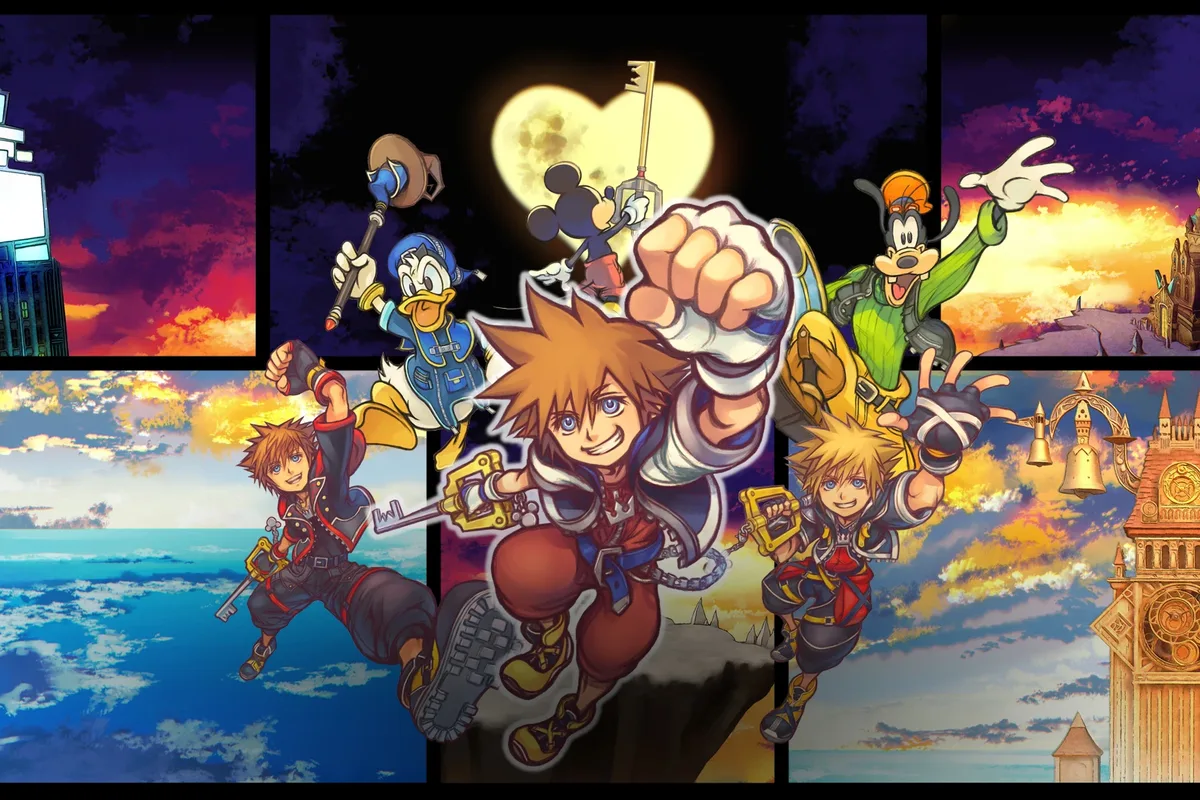
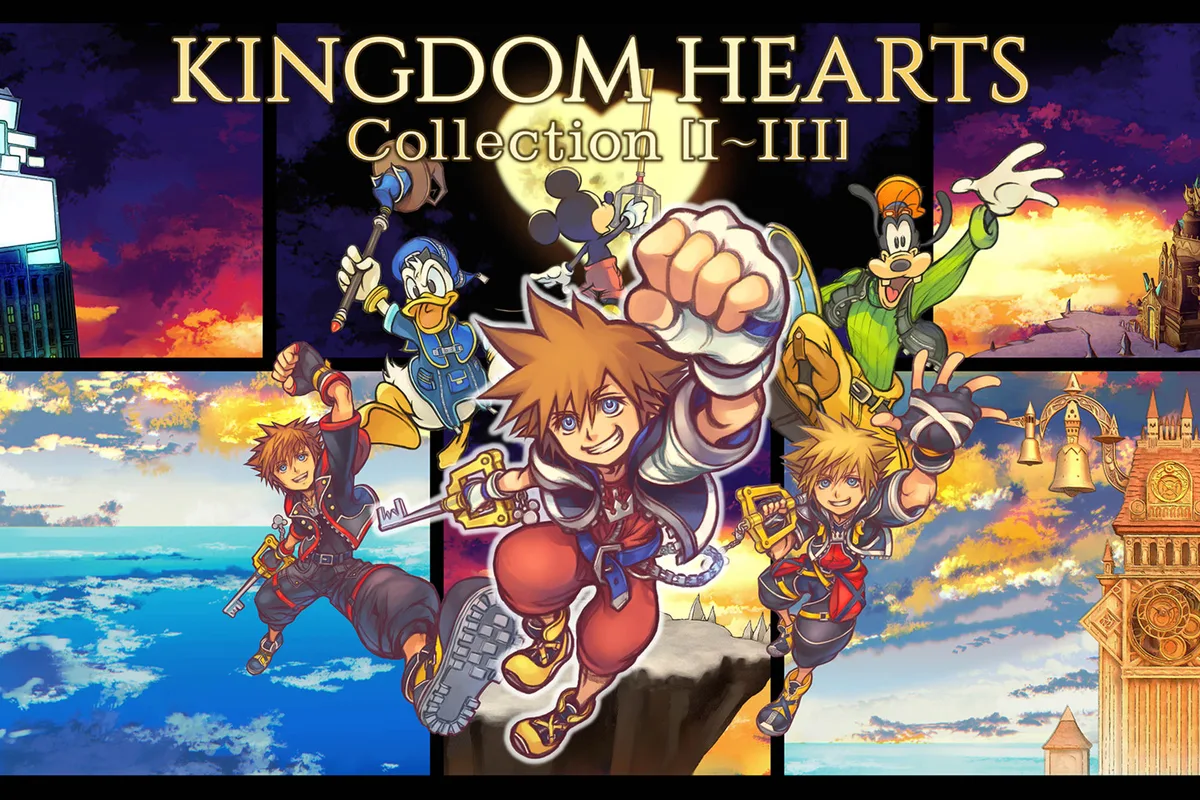
Kingdom Hearts Collection [I~III] combines HD 1.5+2.5 ReMIX, HD 2.8 Final Chapter Prologue and Kingdom Hearts III + Re Mind.
These packages span multiple generations of development, featuring different technologies and game structures.
Some entries are complete playable games, while others are cinematic compilations. Kingdom Hearts 358/2 Days, Re:coded and χ Back Cover belong to the latter category within this collection.
It would therefore be inappropriate to assign one universal performance profile to the complete package.
Frame-rate stability, resolution and loading times should be evaluated for individual games and potentially for different display modes.
Strong performance in Kingdom Hearts Final Mix would not automatically establish identical results in Kingdom Hearts III.
The Original Switch Gets One Native Exception
The new releases are not entirely exclusive to Switch 2.
Kingdom Hearts HD 1.5+2.5 ReMIX is also available in a new native version for the original Nintendo Switch.
Nintendo explicitly distinguishes that product from its Switch 2 counterpart.
Save data can be transferred from the original Switch edition to the Switch 2 edition, but not in reverse.
Nintendo also states that an upgrade path from the native Switch product to the native Switch 2 product is not currently planned.
That matters for customers who own both consoles or intend to move to newer hardware.
Cloud Save Migration Is Supported
Owners of the former cloud editions can transfer their saved progress to compatible native Switch 2 releases.
The feature addresses a common problem when games move between platforms or execution models: preserving progress without forcing players to start over.
Two separate processes must nevertheless be distinguished.
One involves purchasing or obtaining a license for the new edition. The other involves moving the relevant saved data.
Possessing a cloud save does not automatically grant ownership of the native game.
Square Enix offers a 50 percent discount to eligible previous purchasers, but the offer remains subject to specific purchase-history conditions.
Physical Copies Can Still Require Downloads
The transition to native execution may create confusion around physical distribution.
A Switch 2 Game-Key Card is not equivalent to a traditional cartridge containing all game data.
The card acts as a key allowing the required files to be downloaded and used. An Internet connection and sufficient storage capacity are therefore necessary during installation.
Square Enix confirms that the relevant physical editions require additional data downloads.
That requirement should not be confused with cloud execution during gameplay. Once the necessary data is installed, native versions process the game locally rather than continuously streaming remotely generated images.
Buyers should still check the specific requirements of their edition, particularly for updates, additional content and online features.
The Long-Term Problem With Cloud Editions
Square Enix has announced that sales of the old Kingdom Hearts cloud editions on Switch ended on June 9, 2026.
According to the publisher's stated schedule, existing customers can continue accessing them until June 9, 2027, subject to the relevant service conditions.
This situation illustrates a major difference between local software and remotely executed games.
In the cloud model, continued operation depends on active servers and service infrastructure.
Native editions reduce that particular dependency, but they do not guarantee permanent preservation. Digital licenses, hardware compatibility, initial downloads and software updates remain significant considerations.
The change therefore improves execution independence without creating an absolute guarantee of future accessibility.
The Discount Is Not a Free Upgrade
Nintendo and Square Enix have introduced a commercial offer recognizing certain previous cloud purchases.
Players who bought all the relevant cloud titles individually, or Kingdom Hearts Integrum Masterpiece for Cloud, qualify for a 50 percent discount on the Switch 2 collection and eligible native editions.
Other previous owners may receive discounts on corresponding individual products.
The final amount depends on the regional store and the account's purchase history.
This is a licensing and pricing arrangement. It is not automatic compatibility allowing a previous cloud license to launch the native game.
What Can Be Confirmed About Performance?
The official announcement establishes one important technical fact: these games run natively on Switch 2.
It does not provide independent measurements of every installment's performance.
A proper comparison would need to examine frame rates, frame-time variation, internal rendering resolution, loading times and differences between handheld and television modes.
It would be misleading to assume that every native edition runs at 60 fps or matches the graphical presentation of modern PS5 and Xbox Series X|S releases.
The available Kingdom Hearts III + Re Mind demo provides an initial opportunity to try part of the experience, although it cannot replace complete technical testing.
A Distribution Change With Real Consequences
Kingdom Hearts Collection [I~III] is not presented as a technological revolution based on a completely new graphics engine.
Its primary advancement on Nintendo hardware is the transition from remote execution to native software, supported by save migration and conditional purchase discounts.
For players, that means less reliance on game-streaming infrastructure during play, alongside a need to understand installation and licensing requirements.
The benefits are concrete without requiring claims about unmeasured performance improvements.
In gaming, an important improvement is not always visible in a screenshot. Sometimes the difference is simply that the console is finally running the game it displays.